Selecting the Perfect Asphalt Contractor for Your Paving Project
Determining the ideal paving firm is paramount for the success of any asphalt initiative. A contractor's accomplishments, background knowledge, and reputation can greatly influence the quality of work. Knowing the core services they provide and inquiring about the right questions can clarify their reliability. However, navigating proposals and recognizing danger signals can be problematic. What benchmarks should one prioritize to guarantee a positive outcome?
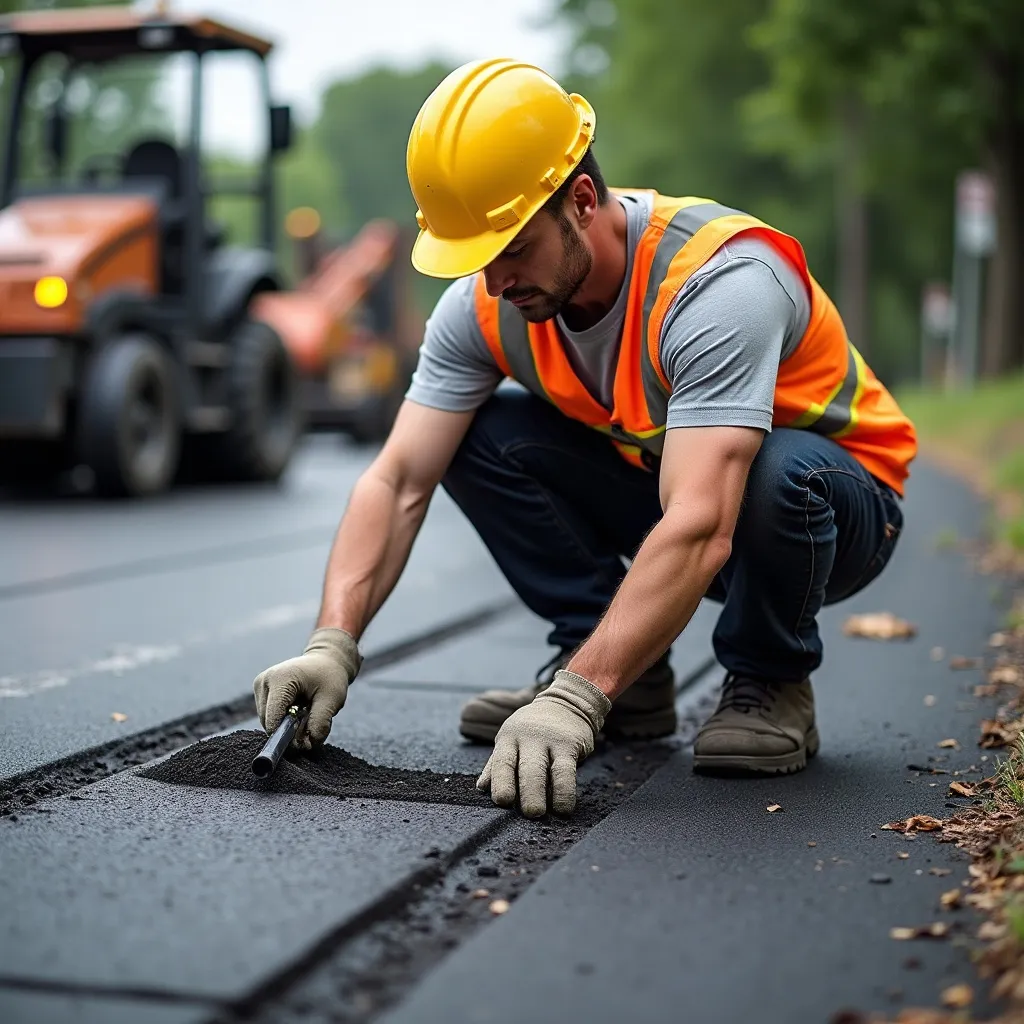
Why Hiring the Right Asphalt Contractor Matters
Finding the right asphalt contractor is important for promoting the longevity and caliber of pavement projects. The selection of firm can notably influence the durability and performance of the asphalt surface. A proficient contractor grasps the subtleties of asphalt installation, featuring proper preparation, material selection, and installation approaches. This skill minimizes the exposure of untimely deterioration, cracking, and other issues that can emanate from subpar workmanship.
Furthermore, a credible vendor typically adheres to sector benchmarks and incorporates high-quality components, which contribute to the overall success of the project. Engaging the right practitioner also fosters effective communication, ensuring that the client's specific needs and hopes are accomplished. Ultimately, dedicating effort toward determining a proficient asphalt contractor can generate substantial long-term cost savings and enhance the aesthetic appeal and functionality of the constructed surface. Thus, this selection is vital for any pavement project's success.
What Attributes Must Your Asphalt Contractor Hold?
What essential credentials should an asphalt contractor have to ensure a successful project? A reputable asphalt contractor should obtain the necessary licenses and certifications required by local regulations. These credentials show compliance with industry standards and local laws. Moreover, fiscal strength is essential; a contractor must be able to sustain operations throughout the project, guaranteeing timely completion.
Multiple pavement methods and knowledge of different materials are crucial, as they significantly impact the quality of work produced. Understanding of safety protocols and proper equipment usage is also critical for protecting both workers and clients.
Moreover, a solid understanding of documentation project management concepts can aid in efficient time management and resource distribution. Finally, good communication skills are vital for addressing customer issues and ensuring that goals are achieved. These qualifications collectively enhance to the overall accomplishment and contentment of a paving project.
Reviewing Your Asphalt Contractor's Knowledge and Credibility
How might one effectively gauge an asphalt contractor's qualifications and standing? To begin, potential customers should review the contractor's project history, which presents earlier work and confirms their skill level. In addition, years in business often serve as an indicator proven track record and competence in the industry. Digital ratings and client statements from previous clients can provide insights on the contractor's consistency and service quality.
Additionally, asking for references can yield first-hand accounts of customer satisfaction and project outcomes. Collaborating with local trade associations or checking for certifications can more validate a contractor's professionalism and adherence to industry standards.
In conclusion, a solid standing within your area—shown by repeat business and referrals—can be a telling sign of a contractor's reliability. Collectively, these factors provide a thorough picture of an asphalt contractor's experience and reputation, aiding in making well-informed choices.
Vital Offerings Rendered by Asphalt Contractors
A selection of vital services are frequently offered by asphalt contractors, meeting both home and business needs. These offerings commonly feature asphalt paving, where contractors lay fresh asphalt for driveways, parking lots, and roads. Additionally, they deliver asphalt repair offerings, repairing cracks and potholes to improve durability and safety. Sealcoating is another important offering, protecting asphalt surfaces from weather damage and lengthening their lifespan.
Moreover, contractors may supply drainage and grading options, confirming proper water flow and thwarting future damage. Road marking is also included, identifying parking spaces and traffic lines for improved organization and safety. Some paving specialists present maintenance plans, which require ongoing inspections and maintenance to prolong the longevity of asphalt surfaces. By understanding these important services, property owners can decide wisely when appointing an asphalt contractor for their construction projects.
Key Points to Bring Up With Your Asphalt Contractor
When selecting an asphalt contractor, it is essential to inquire thoroughly to assess their expertise and reliability. Asking regarding their experience and qualifications, as well as comprehending the project timeline and costs, can provide valuable insights. These key factors help guarantee that the contractor can fulfill the project's demands effectively.
Background and Qualifications
Experience and qualifications remain fundamental in selecting an asphalt contractor. Clients should inquire about the contractor's experience, because a proven track record commonly indicates reliability and expertise. It is suggested to ask for references from previous jobs, helping clients to gauge the quality of work completed. Furthermore, contractors need to keep the right licenses and certifications, evidencing compliance with industry regulations. Clients should consider any specialized training the contractor has received, particularly for specific paving techniques or materials. Understanding the contractor's experience with similar projects can provide insight into their ability to handle unique challenges. In the end, a qualified contractor will both improve the project and ensure lasting satisfaction.
Project Timeline and Financial Aspects
Grasping project timelines and pricing is important for clients choosing an asphalt contractor. Clients should ask about the estimated timeframe of the project, encompassing preparation, paving, and curing times. Contractors should provide a clear schedule, outlining key milestones and potential delays. Clients should also request a detailed pricing breakdown, containing materials, labor, and any additional fees. Understanding payment structures, such as deposits or financing options, is vital for budgeting. It is recommended for clients to compare estimates from multiple contractors to ensure transparency and fairness. Finally, addressing potential weather-related impacts on project timelines can help set realistic expectations, fostering better communication and satisfaction throughout the paving process.
Assessing Offers and Fee Arrangements
Assessing proposals and pricing structures from multiple asphalt contractors is vital for making an informed decision. When analyzing estimates, it is advisable to examine not only the total cost but also the itemization of materials, manpower, and any additional fees. A more affordable bid may appear favorable, but it could indicate compromises in quality or customer care.
Contractors frequently display different fee structures; some may bill by square footage, while others might provide flat rates. Recognizing these options can help clients determine the true value of each proposal.
In addition, clients should look into maintenance plans and warranty provisions, which can sway lifetime expenses. It is fitting to request comprehensive written statements to validate frankness and ease sound evaluations. By carefully analyzing these particulars, stakeholders can select a operator that conforms to their budget and quality expectations, ultimately advancing a rewarding paving installation.
Warning Signs to Monitor When Selecting an Asphalt Contractor
How might one spot possible concerns when hiring an asphalt contractor? Plenty of warning signs can alert you to trouble ahead. First, inadequate appropriate licensing and insurance coverage is a considerable warning sign; reputable contractors should readily provide this documentation. In addition, when a contractor presents an unusually low estimate, it might imply below-average materials or poor workmanship.
A further concern emerges when a contractor is unwilling to offer testimonials or a collection of past work, as this may indicate a lack of experience or poor previous projects. Furthermore, unclear or indefinite contracts can result in confusion and unexpected costs later on. Finally, high-pressure sales tactics should trigger suspicions; trustworthy contractors will give clients opportunity to make decisions. By staying alert and recognizing these warning signs, property owners can better safeguard themselves from potential pitfalls in their paving projects.
Often Asked Questions
How much time Will My Paving Project Take to Finish?
A surfacing project duration generally ranges from a few days to many weeks, based on variables like project size, weather conditions, and the team's efficiency in administering resources and timelines.
What Type of Asphalt Products Do You Recommend?
The contractor recommended applying premium hot mix asphalt for longevity and effectiveness. Additionally, they suggested evaluating porous asphalt for ecological advantages, or cold mix asphalt for short-term fixes, based on the particular job needs and circumstances.
Are There Warranties Available for Your Services?
Qualified asphalt contractors frequently provide warranties on their work, guaranteeing quality and durability. These warranties typically protect materials and workmanship, giving clients peace of mind and protection against potential issues arising after the project's completion.
Can you give endorsements from previous clients?
Yes, professional contractors typically deliver endorsements from former clients. This helps prospective buyers to determine the caliber of construction and client contentment, verifying they make an reasoned choice before beginning their pavement work.
Finding the Best Time of Year for Paving
The optimal time for paving is generally during warmer months, especially late spring to early fall. This period delivers optimal thermal environments, allowing asphalt to solidify effectively and minimizing the potential of weather-caused setbacks.